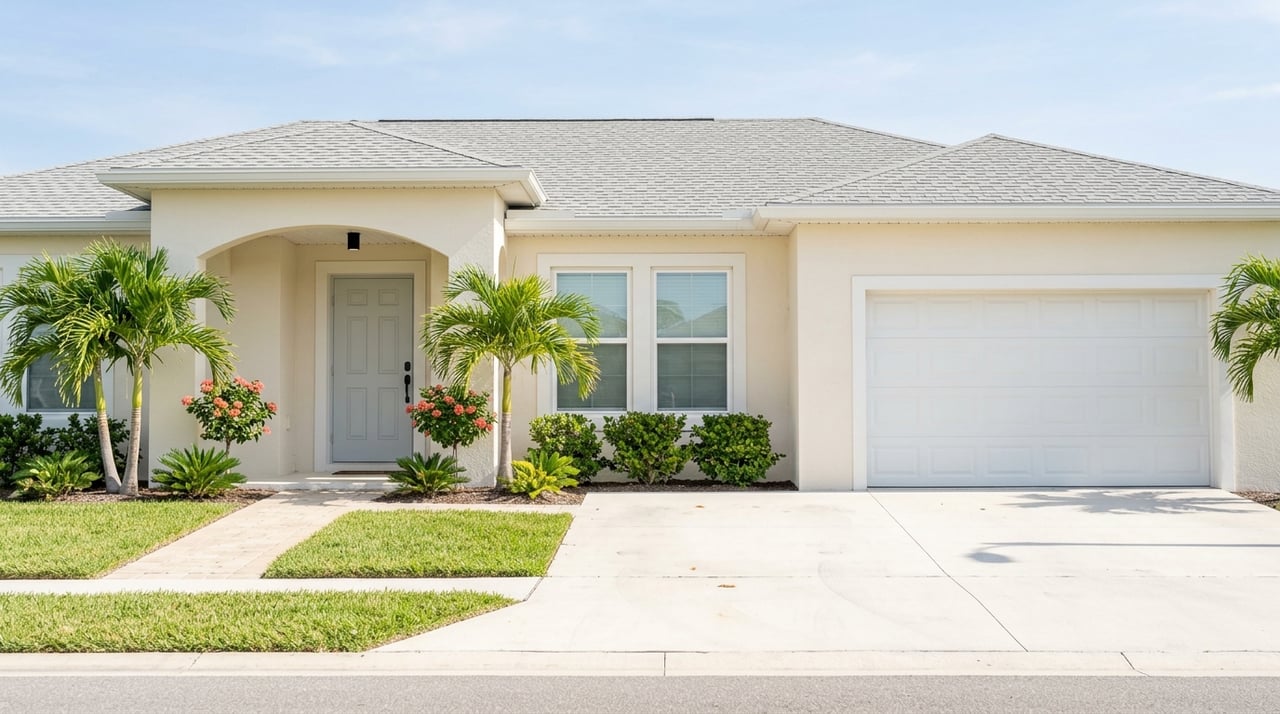
Relocating to Tampa From Afar and Buying With Confidence
June 4, 2026
June 4, 2026
Thinking about buying a home in Tampa before you even live here? You are not alone, and you do not have to figure it out by trial and error. If you are relocating for work, lifestyle, or a fresh start, the right remote-buying plan can help you narrow your search, avoid costly surprises, and move forward with confidence. Let’s dive in.
Buying from out of town is very doable in Tampa, but it works best when you follow a structured process. As of March 2026, market data points to a market that is active without being chaotic. Realtor.com reports a median listing price of $450,000, around 61 days on market, and homes selling near 97% of asking price, while Redfin reports a median sale price of $433,000, around 50 days on market, and about two offers per home.
The takeaway is simple: you likely have time to make thoughtful decisions, but you still need to be prepared. Financing, a clear budget, and a focused list of neighborhoods matter. If you are relocating, that preparation can save you from chasing homes that look great online but do not fit your daily life once you arrive.
Before you tour a single property, get clear on what you can comfortably afford and what matters most in your move. The CFPB recommends defining your priorities and budget first, then exploring loan choices and comparing official offers before shopping seriously. That advice is especially important when you are buying remotely, because distance can make every listing feel more urgent than it really is.
Start by separating your needs from your nice-to-haves. Think about home type, price range, commute, lot size, parking, and how much maintenance you want. When your list is clear, it becomes much easier to sort Tampa homes without getting distracted.
One of the biggest challenges for relocating buyers is how different Tampa areas can feel from one another. The City of Tampa describes a wide mix, from active multi-family communities on the downtown waterfront to more relaxed single-family neighborhoods under grand oaks. That variety is a major plus, but it also means you should narrow your target areas early.
Price points can vary a lot by neighborhood. Current examples in the city show Hyde Park around $786,000, Tampa Palms around $498,000, and Davis Islands around $1.7 million. Those examples show why remote buyers should sort by both price band and housing style before falling in love with a listing.
A smart remote search starts broad, then gets more detailed. MLS and IDX search tools are ideal for your first pass because they let you filter by price, property type, size, and location in real time. This helps you cut a long list down to homes that match your actual move goals.
At this stage, focus on facts more than photos. Look at square footage, layout, year built, HOA details if applicable, lot size, and map location. A polished listing can be appealing, but the best remote buyers stay grounded in the details first.
Once you have filtered the market, create a shortlist of homes that truly fit your priorities. Usually, this means a manageable list of properties in just a few areas rather than dozens scattered across Tampa and Hillsborough County. That kind of focus makes every next step easier.
It also helps you compare homes more fairly. A downtown condo, a suburban single-family home, and a waterfront property may all look appealing online, but they serve very different lifestyles. The more focused your shortlist is, the faster you can make a confident decision.
Virtual shopping tools are now a normal part of the buying process. NAR notes that virtual showings, floor plans, 3D walkthroughs, and live video sessions can help buyers understand layout and get immediate feedback. For a Tampa relocation, the best approach is usually a three-step process.
First, use MLS and online search tools to identify possibilities. Next, use virtual tours and live video walkthroughs for the shortlist. Then, reserve in-person visits for the strongest finalists.
A live walkthrough is often more useful than a polished prerecorded tour. During a live video showing, you can ask to see ceiling height, storage space, window views, street conditions, and the flow between rooms. You can also get a better sense of natural light and room proportions.
This is where responsive communication matters. A strong remote-buying experience depends on getting timely answers, honest feedback, and clear visuals so you can make decisions without feeling rushed or under-informed.
When you are buying from afar, location details need extra attention. The City of Tampa provides tools that can help you confirm whether a property is inside city limits or in unincorporated Hillsborough County. That matters because local services, council districts, and other jurisdiction-specific details can differ depending on the address.
The city’s Neighborhood Registry and Neighborhood Association Map can also help you research an area in a more organized way. These tools can show items such as land use, places of interest, contacts, meetings, capital improvement projects, and other neighborhood-level information. For a remote buyer, that can be very useful context before you book a trip or submit an offer.
As you review neighborhoods, compare them based on your actual routine. Think about your likely commute, parking needs, housing style, and whether you want a more urban or more residential setting. This keeps your search practical instead of purely emotional.
It is also a good idea to confirm whether a property address is where you think it is geographically. Some listings are described broadly as Tampa even when they sit outside Tampa city limits. A quick official map check can add clarity before you get too far along.
In the Tampa area, flood risk and evacuation zones are not the same thing. The City of Tampa explains that evacuation zones are based on storm surge, while flood zones relate to property insurance and building requirements. Hillsborough County also notes that flooding can happen from heavy rain, rivers, coastal surge, and low-lying conditions.
That distinction matters when you are buying remotely because you may not have local experience with how these terms are used. The City of Tampa and Hillsborough County both maintain flood mapping tools, and FEMA’s Flood Map Service Center is the official national lookup. Since standard homeowners insurance usually does not cover flood damage, some properties may require or strongly benefit from a separate flood policy.
Before making an offer, make sure you have reviewed:
These steps are not complicated, but they are easy to miss when you are buying from another state. Taking time upfront can help you avoid confusion later.
Once you select a home, timing becomes important. The CFPB recommends scheduling the home inspection as soon as possible so there is time to address issues or renegotiate if needed. For remote buyers, this step is critical because the inspection may reveal conditions that do not show up well in photos or video.
Fannie Mae notes that an inspection can uncover safety issues, illegal installations, and maintenance or structural concerns. It is also important to know that a standard home inspection does not cover everything. Issues such as pests, mold, lead, asbestos, or radon may require a specialist.
Many buyers blur these two steps together, but they serve different purposes. The CFPB explains that a home inspection evaluates the property’s condition, while an appraisal is generally required by the lender to support the home’s value. As a buyer, you are entitled to a copy of the appraisal.
If you are remote, ask for a clear plan for both timelines. That way, you can keep contingencies on track and avoid last-minute stress.
Florida law allows electronic notarization for documents that require notarization, and online notarization can be completed using audio-video communication technology. The law also states that the validity of an online notarization is determined by Florida law regardless of where the signer or witnesses are physically located. In practical terms, this means some signing steps can often be handled while you are out of state.
That said, the lender and title company still need to support the setup. It is smart to confirm the closing process early so you know which documents can be signed remotely and whether any extra identity verification steps are required.
The CFPB says the lender must deliver the Closing Disclosure at least three business days before closing. You should review that document carefully, along with the promissory note, mortgage, and escrow information. Remote buyers benefit from doing this as early as possible so there is time to ask questions before signing.
The CFPB also notes that buyers can shop for title and closing services. Most lenders require lender’s title insurance, while an owner’s policy is optional and protects your financial interest in the home. After closing, Florida’s CFO office notes that deeds are recorded in county records, so the paperwork process continues beyond the signing appointment itself.
Wire fraud is one of the most important remote-closing risks to understand. The CFPB warns that mortgage closing scams often target buyers in the final days before closing. That timing can make these messages feel urgent and believable.
A simple safety habit can go a long way: verify wire instructions by phone using a known phone number. Do not rely on a last-minute email alone, and do not reply to a new email thread with money movement questions.
Even if most of your search happens online, a short in-person trip can still be the final confidence check. Tampa International Airport is about five miles west of downtown Tampa, which makes quick house-hunting visits practical when they are planned well. The key is not to see everything. The key is to see the right homes in the right areas.
The most useful trip usually clusters showings by geography. That lets you compare neighborhoods more efficiently and spend less time driving back and forth. It also gives you a better feel for commute patterns, parking, and whether your top choices still feel right in person.
When you visit Tampa, try to use the trip for confirmation, not discovery. By that stage, you should already have a refined list based on online search, live video walkthroughs, and due diligence. That makes your time on the ground much more productive.
A strong in-person trip can help you answer a few final questions:
Relocating to Tampa and buying a home remotely is absolutely possible when you combine good local guidance with a clear process. The safest path is usually a blend of digital search, live video tours, official location and flood verification, timely inspections, and a well-planned visit for final confirmation. When each step is handled in order, the process feels far less overwhelming.
If you are preparing for a move, working with someone who knows Tampa Bay at the neighborhood level can make a big difference. For personalized relocation help, local market insight, and a responsive home search experience, connect with Khristian Marcotrigiano.
Stay up to date on the latest real estate trends.
Get assistance in determining current property value, crafting a competitive offer, writing and negotiating a contract, and much more. Contact me today.