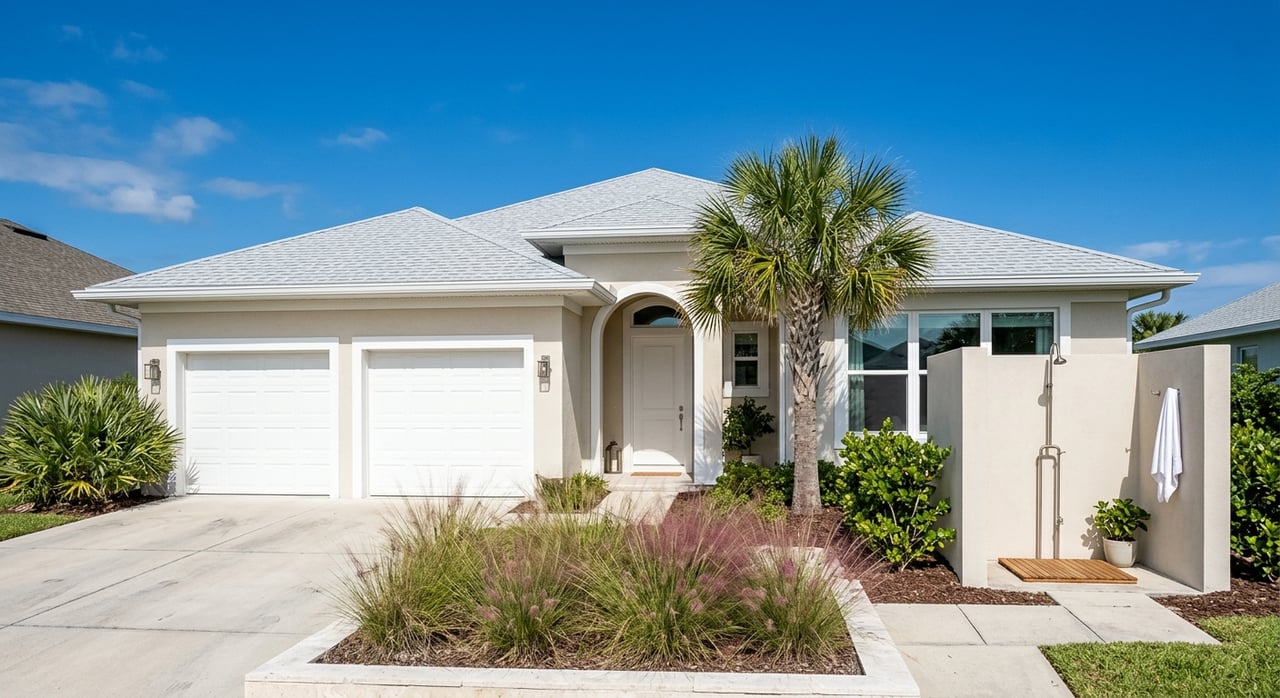
Living in Clearwater Florida: Beachfront vs Mainland
July 2, 2026
July 2, 2026
Wondering whether Clearwater feels more like a beach town or a classic Florida city? The answer is both, and that is exactly what makes it such an interesting place to call home. If you are thinking about moving here, understanding the difference between beachfront and mainland living can help you focus your search and choose a lifestyle that fits your day-to-day routine. Let’s dive in.
Clearwater is shaped by geography in a way you will feel almost immediately. Clearwater Beach sits on a barrier island at the west end of Gulf-to-Bay Boulevard, also known as State Road 60, and it connects to downtown by the Memorial Causeway.
That setup creates two very different living experiences. On one side, you have beach-oriented areas with waterfront views, walkable stretches, and a stronger resort atmosphere. On the other, you have mainland neighborhoods with a broader mix of housing, more car-based routines, and a civic core centered around downtown, parks, and everyday errands.
It helps to think of Clearwater Beach and the mainland as two parts of one city rather than two separate places. The beach side is not just for visitors, and the mainland is not disconnected from the waterfront lifestyle that draws so many people to Clearwater in the first place.
Beachfront living in Clearwater usually refers to areas like Clearwater Beach, Sand Key, and Island Estates. Each one has its own feel, but they share a stronger connection to the water and a daily rhythm shaped by coastal access.
The city describes Clearwater Beach as both a world-famous destination and home to more than 8,000 families. That matters if you are trying to picture real life there, because it is not only a place people visit for the day. It is also a residential setting with condos, mixed-use buildings, restaurants, waterfront activity, and year-round routines.
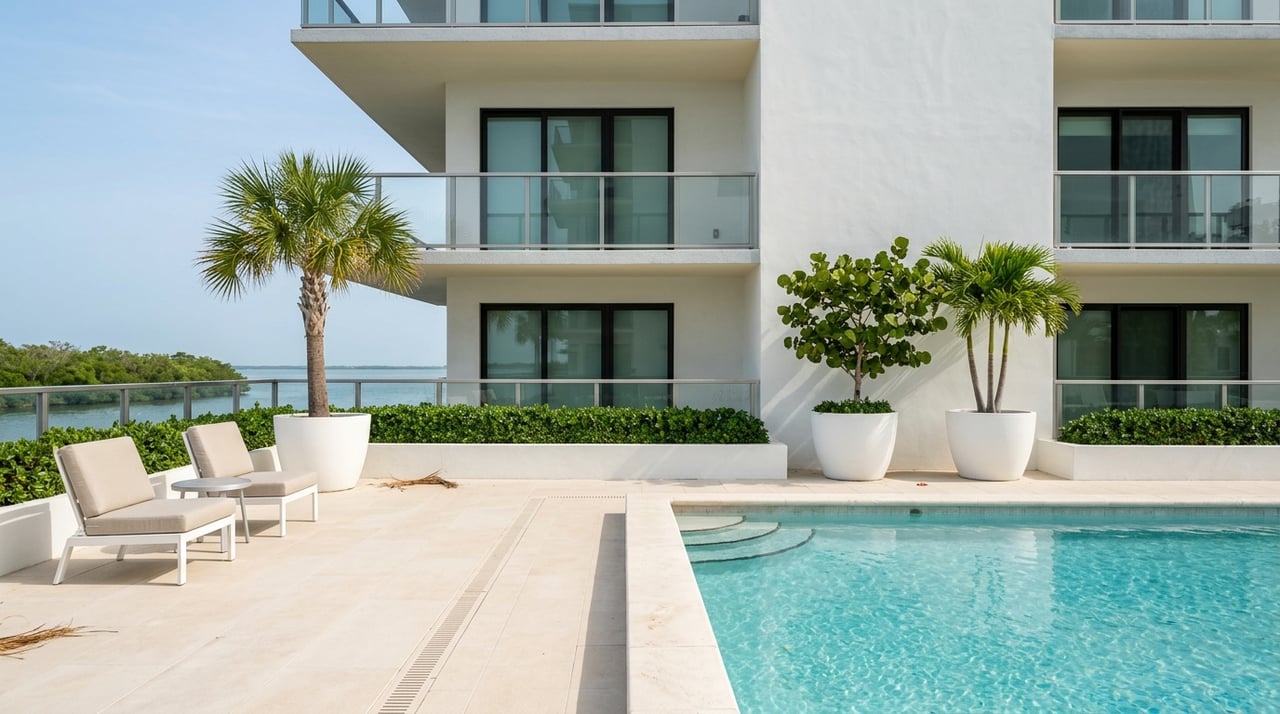
If you want a home that feels tied to the water, the beach side may stand out right away. Housing in these areas is more likely to include condominiums, high-rise buildings, waterfront homes, and mixed-use properties than what you would typically find in inland subdivisions.
Sand Key is described by the city as a year-round residential community with restaurants, specialty shops, high-rise hotels, and condominiums. Island Estates is different again, with a largely residential setting that is almost entirely waterfront and includes everything from larger single-family homes to multi-story condo buildings.
One of the biggest lifestyle advantages on the beach side is how easy it can be to get around without always relying on your car. The city calls Clearwater Beach very walkable, with restaurants and shops close together and Beach Walk creating a promenade along the shoreline south of Pier 60.
Transportation options are also more flexible than many buyers expect. The city points residents and visitors to options like ferry service, boating, trolley routes, rideshare, and biking, and cyclists can use the Memorial Causeway Trail or the Pinellas Trail to connect with the area.
Daily life near the beach often includes more structure than inland neighborhoods. Parking is tightly managed, and meter and on-street spaces are enforced daily with varying hours.
That may not sound exciting, but it is part of how the city manages a place that serves both residents and a large number of visitors. Public beach rules also shape the environment, with regulations on alcohol, smoking, camping, and pets in the public bathing area, with limited exceptions.
Living on the barrier-island side means accepting some practical tradeoffs. City stormwater materials note that North Clearwater Beach and other low-lying areas are dealing with increased flooding, and both coastal flooding and sunny-day flooding are expected realities.
Clearwater Beach is also identified by the city as a low-lying, flood-prone area in the Level A evacuation zone. The city operates a Barrier Island Re-Entry Program to help identify beach residents and business owners for post-storm access, which gives you a good sense of how important preparedness is on this side of town.
If you want something between the beach and downtown, Island Estates is a useful example. It sits between Clearwater Beach and mainland Clearwater, which gives it a distinct in-between identity.
The city describes Island Estates as largely residential and almost entirely waterfront. You will find a mix of housing types, from single-family homes to condos, but the access point is a key part of the lifestyle because the neighborhood has only one ingress and egress on Memorial Causeway.
That means traffic on the causeway can directly affect your routine. For some buyers, the location feels ideal because it balances water access and a residential setting. For others, the access issue is an important practical factor to weigh before making a move.
Mainland Clearwater gives you a broader residential menu. This side of the city includes downtown, established neighborhoods, and more traditional inland living patterns.
If the beach side feels more like a waterfront destination with residential pockets, the mainland often feels more like a full-service city with different neighborhood types. That can be appealing if you want more variety in housing, easier day-to-day driving, or routines centered on parks, dining, and local services rather than beach activity.
Mainland Clearwater includes everything from denser mixed-use urban areas to more suburban single-family neighborhoods. Downtown is planned as the city’s urban core, with a dense and livable development pattern, pedestrian-friendly streetscapes, and mixed-use growth.
In other areas, the feel shifts toward lower- and medium-density residential neighborhoods. The city’s planning materials for places like Coachman Ridge describe a centrally located neighborhood made up entirely of single-family dwellings with attached garages and mature landscaping.
The biggest day-to-day difference many buyers will notice is transportation. The city notes that Clearwater’s sprawling development pattern contributes to a heavy dependence on personal vehicles, which means many mainland routines are more car-oriented.
Downtown is the main exception. Planning there emphasizes complete streets, walkability, and pedestrian-oriented development, and parking has a different feel from resort-style beach parking, with structured options and defined on-street and lot pricing.
On the mainland, recreation tends to be more civic and park-centered than beach-centered. Coachman Park is a major example, sitting in downtown next to the Clearwater Main Library and Clearwater Harbor Marina.
The surrounding area connects to the Cleveland Street retail and entertainment district, with shops, restaurants, art galleries, and waterfront spaces. If you like the idea of having green space, events, dining, and marina access woven into a downtown setting, this side of Clearwater may feel like a better fit.
When buyers compare Clearwater Beach to mainland Clearwater, the best way to think about it is through daily habits. Your home search is not only about what the property looks like. It is also about how your mornings, errands, weekends, and storm season preparation will feel.
Here is where the lifestyle differences usually become most clear.
A smart way to narrow your search is to think less about labels and more about how you want to live. If you picture yourself walking to waterfront spots, enjoying a more compact environment, and embracing the energy of a destination area, the beach side could feel like home.
If you want more housing variety, easier car access, and neighborhoods that feel more traditional or city-centered, the mainland may be a better match. Neither option is better across the board. The right fit depends on what kind of routine feels easiest and most enjoyable to you.
You also do not have to choose based on stereotypes. Clearwater Beach has a real residential population, and downtown Clearwater is being shaped as a livable urban core with waterfront access, arts, dining, and pedestrian-oriented redevelopment.
Living in Clearwater is really about choosing your version of coastal Florida life. Some buyers want the barrier-island feel, walkable beach access, and waterfront atmosphere. Others want the balance of inland neighborhoods, downtown amenities, and a more traditional daily routine.
If you are weighing Clearwater Beach, Sand Key, Island Estates, or mainland neighborhoods, the best next step is to compare them through your real schedule, your housing preferences, and your comfort with things like traffic patterns, parking, and storm planning. When you line up the lifestyle with the location, the right part of Clearwater usually becomes much easier to spot.
If you want help comparing neighborhoods, condos, waterfront homes, or mainland options in Clearwater, connect with Khristian Marcotrigiano for local guidance and responsive support tailored to your move.
Stay up to date on the latest real estate trends.
Get assistance in determining current property value, crafting a competitive offer, writing and negotiating a contract, and much more. Contact me today.