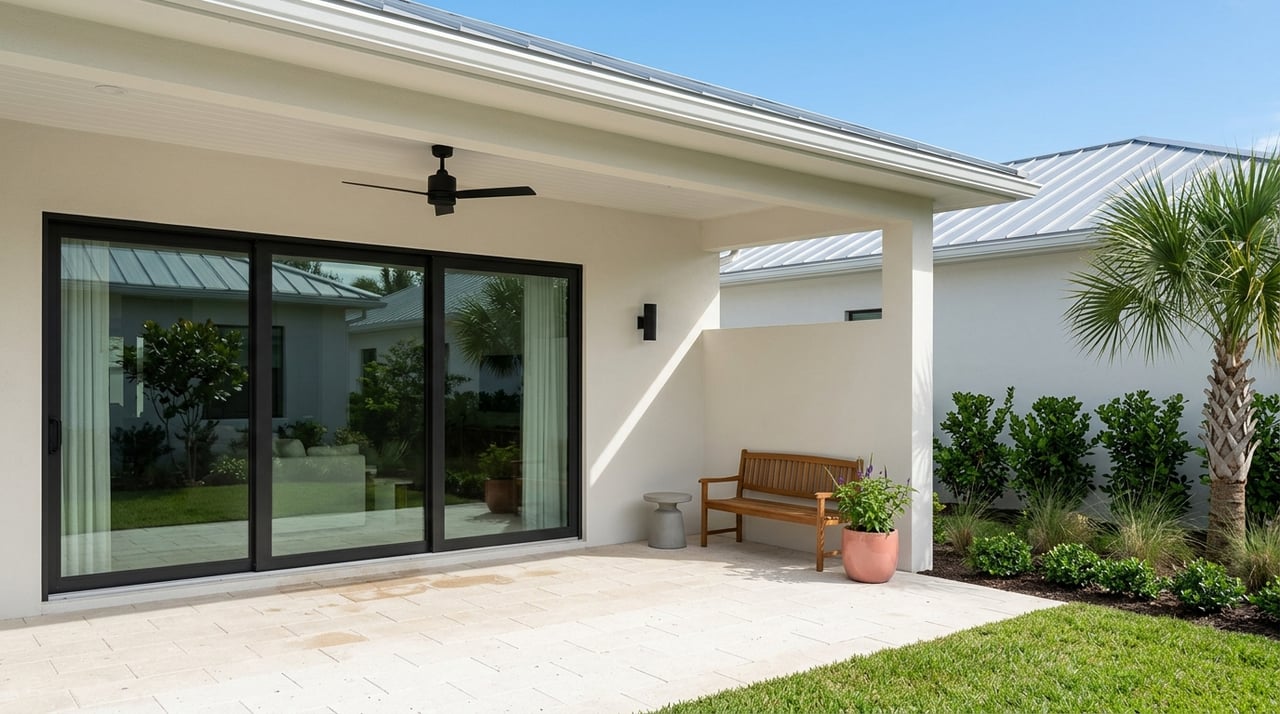
Second Home Buying in Jacksonville Beach: What to Know
July 9, 2026
July 9, 2026
Dreaming about a place near the ocean sounds simple until you start pricing homes, reviewing condo rules, and figuring out whether you may rent it out later. If you are thinking about buying a second home in Jacksonville Beach, you are not alone, and you are also right to slow down and look at the details. The good news is that with the right plan, you can buy with more confidence and avoid expensive surprises. Let’s dive in.
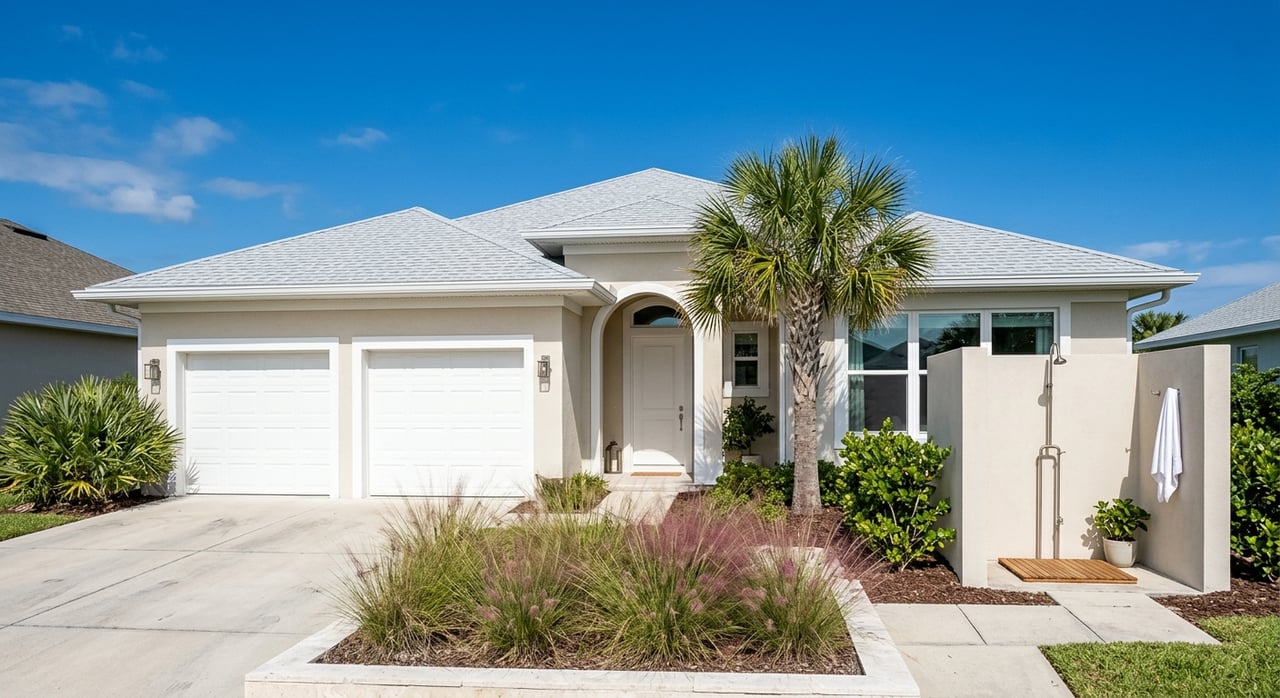
Jacksonville Beach offers something many buyers want in a second home: coastal access, year-round usability, and a housing mix that includes both condos and single-family homes. It sits within the Beaches area, which remains one of the more premium coastal submarkets in Duval County.
That premium comes through in the numbers. Redfin reports a Jacksonville Beach median sale price of $685,840 over the last three months ending May 2026, up 6.4% year over year, while Zillow shows a typical home value of $642,238 with about 244 homes for sale and homes going pending in around 69 days. In the wider Beaches area, Redfin shows a median sale price of $725,000.
For you, that means Jacksonville Beach is usually not an entry-level beach market. It is better viewed as a higher-cost coastal purchase where lifestyle, convenience, and long-term holding strategy matter just as much as the list price.
If you are budgeting for a second home here, prepare for a market with meaningful carrying costs. Purchase price is only part of the picture, especially if you are comparing a condo with a detached home.
Condos remain a big part of the local inventory. Redfin shows 94 condos for sale in Jacksonville Beach at a median listing price of $540,000, while Zillow reports an average asking rent of $2,995. That can make condos look appealing at first glance, but your real monthly cost may depend heavily on dues, insurance, and building-related expenses.
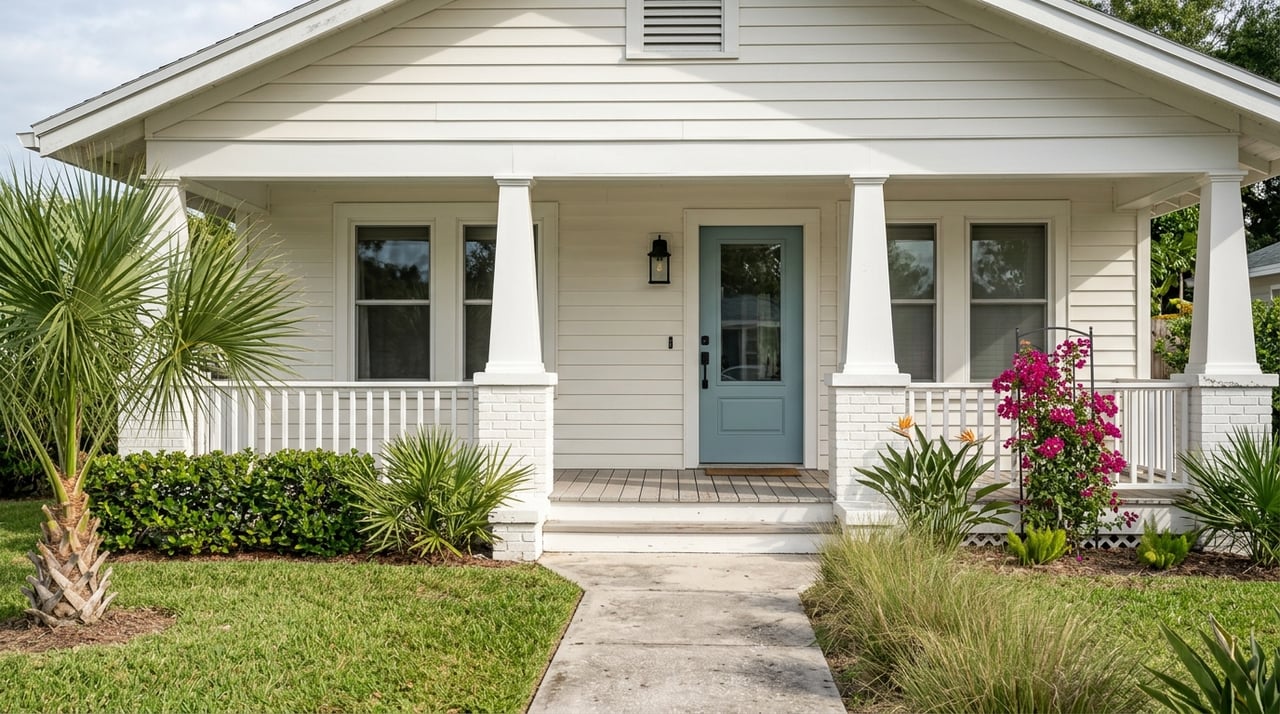
Single-family homes may come with more exterior upkeep, but they can offer more control over how the property is used. For many second-home buyers, the choice comes down to convenience versus flexibility.
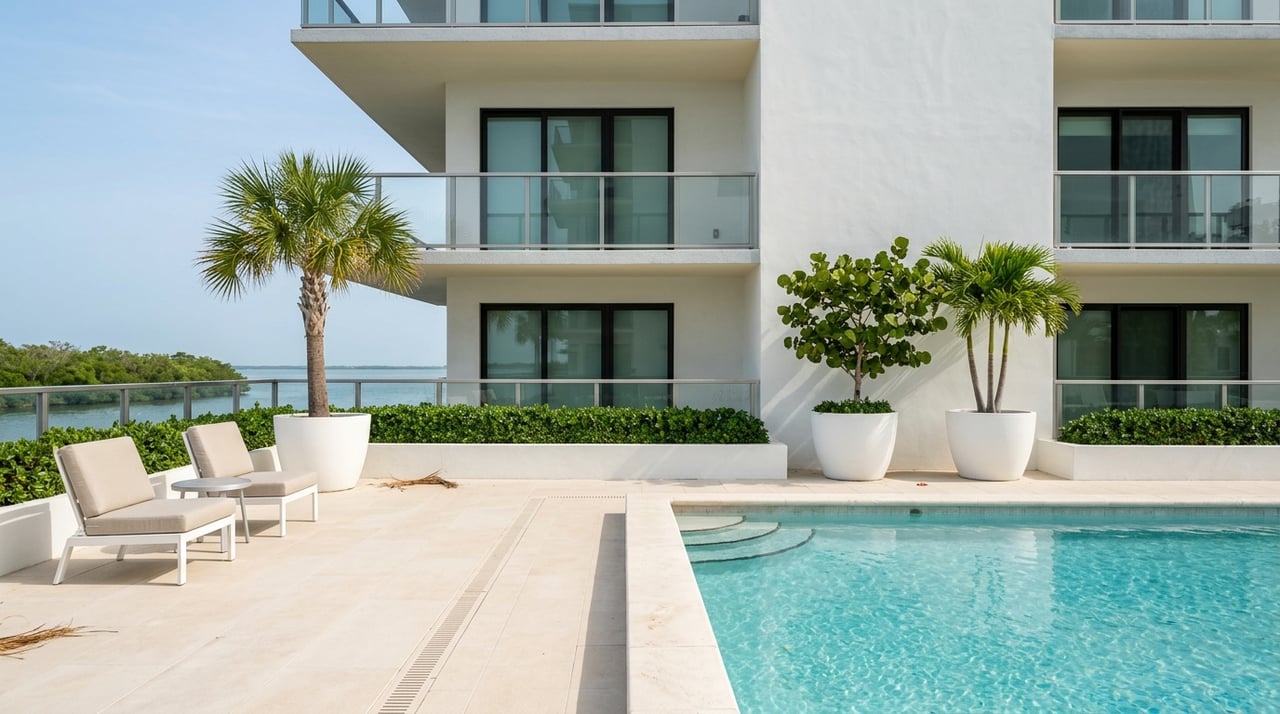
A condo can be a strong fit if you want lower day-to-day maintenance and a lock-and-leave lifestyle. If you plan to visit seasonally and want less exterior responsibility, that setup can be very attractive.
But condo ownership in Florida has become more complex. Redfin reported that condo pricing in the Jacksonville metro has faced more pressure than single-family homes, with HOA fees and insurance costs weighing on values.
A single-family home may give you more privacy, storage, and fewer shared-building concerns. It can also reduce the risk of building-wide costs that are outside your direct control.
That said, a house often means you will handle more maintenance planning yourself. In a coastal market, that includes storm prep, exterior care, and insurance decisions that need regular review.
If you are leaning toward a condo, document review is not optional. In Florida, many condominium and cooperative buildings that are three habitable stories or more must complete milestone inspections by the year the building reaches 30 years of age and every 10 years after that.
Residential condominium associations must also complete structural integrity reserve studies at least every 10 years for each building on the property that is three stories or higher. For an older coastal condo, these rules make association records especially important before you commit.
Focus on these documents early:
Those records can tell you a lot about whether your monthly cost could rise after closing. For a second-home buyer, that is just as important as square footage or finishes.
Second-home financing usually depends on how you plan to use the property. Freddie Mac says a second home must be a one-unit property that you occupy for some portion of the year and keep primarily for your personal use and enjoyment more than half of the calendar year.
There is another key point to know. Fannie Mae says rental income from a second home generally cannot be used to help you qualify.
If your real plan is heavy rental use rather than personal use, the property may need to be treated more like an investment purchase. That distinction matters early, because it can affect loan structure, cash requirements, and your overall buying strategy.
A common mistake with second-home budgeting is assuming the tax treatment will look like your primary residence. In Jacksonville, the property appraiser states that the homestead exemption reduces the taxable value of a primary residence, and Florida law ties that exemption to a permanent residence.
A Jacksonville Beach second home generally will not qualify for that homestead benefit. In practical terms, your property tax burden may be higher than what you are used to seeing on an owner-occupied primary home.
That makes it smart to estimate your full monthly ownership cost before you fall in love with a property. Price, taxes, insurance, dues, and maintenance all need to work together.
Near the coast, insurance deserves its own line item in your decision-making. Standard homeowners insurance should not be assumed to cover flood damage.
FEMA states that most homeowners policies do not cover flood damage, and NFIP flood policies generally become effective 30 days after purchase unless the policy is bought in connection with making, increasing, extending, or renewing a mortgage. That timing matters if you are closing during storm season or want coverage lined up quickly.
Jacksonville Beach ownership also means storm preparation is part of the lifestyle. The city’s hurricane guidance and JaxReady evacuation information emphasize early planning and knowing your evacuation zone.
Yes, but Jacksonville Beach has a specific short-term vacation rental framework, and you need to follow it closely. The city defines short-term vacation rentals as privately owned dwelling units rented to guests more than three times in a calendar year for periods of less than 30 days or one calendar month, whichever is less, or units held out to the public as regularly rented.
These rentals are permitted in zoning districts where residential uses are allowed, but owners must obtain a city registration certificate and renew it annually by October 1. The city also says owners must obtain a county business tax receipt, city local business tax receipt, Florida Department of Revenue registration, and a DBPR lodging license.
The city lists an initial and annual registration fee of $150 and a local business tax receipt fee of $79.20 per property. The registration certificate is also nontransferable between owners, so you should never assume a seller’s permit will pass to you at closing.
If occasional leasing is part of your plan, make sure you understand how the property would need to operate. Jacksonville Beach code includes several operational requirements that can affect whether self-management is realistic.
Important rules include:
For an absentee owner, those rules can make local support very important. If you live out of town, you may want a clear system for management, guest communication, and compliance before you buy.
If you rent the property on a short-term basis, tax compliance becomes part of ownership. Duval County imposes a 6% Convention/Tourist Development Tax on short-term rentals.
The Florida Department of Revenue also says local transient rental taxes may apply to accommodations rented for six months or less. Even if rentals are only occasional, you will want to understand the local requirements from the start.
The cleanest way to approach Jacksonville Beach is to match the property type to your real goals. If you want easy seasonal use and lower day-to-day upkeep, a condo may fit, but only after careful review of building finances and reserves.
If you want more privacy, more direct control, or more flexible long-term use, a single-family home may be a better match. Either way, this is a market where your ownership plan matters just as much as your wish list.
A strong buying process usually includes:
Buying a second home in Jacksonville Beach can absolutely be rewarding, but it works best when you treat it like both a lifestyle purchase and a compliance-heavy coastal asset. If you want help sorting through property types, carrying costs, and the right questions to ask before you make a move, connect with Khristian Marcotrigiano.
Stay up to date on the latest real estate trends.
Get assistance in determining current property value, crafting a competitive offer, writing and negotiating a contract, and much more. Contact me today.