What Buyers Should Know About St. Petersburg Historic Bungalows
June 25, 2026
June 25, 2026
Wondering if a historic bungalow in St. Petersburg is a dream buy or a project waiting to happen? If you love front porches, original details, and the charm of older homes, you are not alone. The key is knowing how to balance character with the real costs of ownership, inspections, and local rules before you make an offer. Let’s dive in.
Historic bungalows have a strong pull in St. Petersburg because they connect you to some of the city’s older neighborhoods and preservation-minded areas. They often offer a style and street presence that newer homes simply do not match.
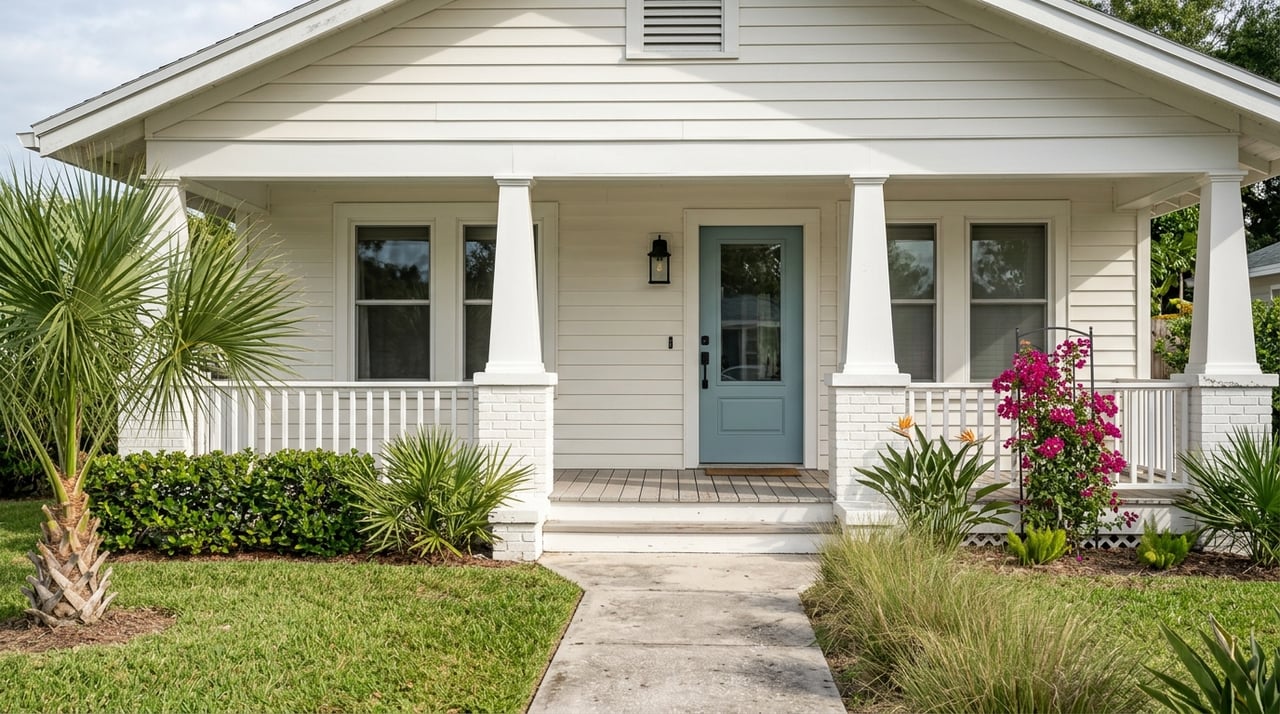
A bungalow is typically a one- to one-and-a-half-story home with a low profile, broad eaves, grouped windows, exposed rafters or brackets, and a prominent front porch. In Florida, you will also often see screened porches and a layout that supports indoor-outdoor living.
For many buyers, that appeal is not just about looks. Preserve the ‘Burg’s PlaceEconomics summary reports that property values in local historic districts rose 119.3% from 2008 to 2022, compared with 85.2% in non-designated areas. That does not guarantee future performance, but it helps explain why historic character remains desirable over time.
If you are focused on older homes in St. Petersburg, a few neighborhood names come up often. Historic Old NE, Historic Kenwood, and Historic Roser Park are among the areas where buyers are more likely to come across older homes, historic districts, and preservation-related considerations.
That matters because location can shape more than just your commute or lifestyle. In a historic area, the property may also fall under local preservation rules that affect what you can change on the outside of the home.
The draw of a historic bungalow is usually easy to spot the moment you walk up. A large front porch, original wood details, grouped windows, and a more human-scaled design can make the home feel warm and memorable.
Inside, many buyers appreciate the blend of original character and later improvements. In St. Petersburg, it is common to find homes that mix period details with updated kitchens, renovated baths, or enclosed rear spaces added over time.
Older buildings can also create a different affordability conversation. Preserve the ‘Burg’ notes that older buildings often offer more affordable housing options, which is one reason buyers often think in terms of purchase price plus renovation budget rather than sticker price alone.
Charm is great, but condition is what protects your budget. In an older bungalow, the most important question is whether the major systems have been maintained or upgraded.
UF/IFAS recommends paying close attention to the roof, plumbing, electrical system, heating and cooling, insulation, windows and doors, attic framing, gutters, and sewer lines. Those are often the systems that tell you whether a home has been thoughtfully updated or whether deferred maintenance may be waiting.
You should also ask about the age and condition of the following items before you get too far into the process:
A standard home inspection is important, but Florida-specific due diligence can matter even more with an older property.
In Florida, UF/IFAS recommends considering more than a basic home inspection. Depending on the property, buyers may also want a wind mitigation inspection, a 4-point inspection, an energy rating inspection, and a termite or wood-damage inspection.
A 4-point inspection focuses on four major systems: roof, electrical, heating and cooling, and plumbing. For a historic bungalow, that can be especially useful because those systems often drive both insurance questions and near-term repair costs.
Termites also need to be part of your ownership planning. UF/IFAS notes that annual termite inspections and a termite bond are part of the ownership budget in Florida, so it is smart to ask about treatment history and any prior wood-damage issues.
In St. Petersburg’s humid and storm-prone climate, water management deserves extra attention. UF/IFAS advises buyers to look at drainage during heavy rain, including whether gutters and downspouts move water away from the home and whether the yard holds standing water after storms.
This may sound simple, but it can reveal a lot. Poor drainage can point to grading issues, moisture intrusion, roof runoff problems, or long-term wear around the structure.
Before you fall in love with a porch redesign or new windows, confirm whether the home is in a local landmark district or local historic area. In St. Petersburg, exterior alterations, new construction, demolition, and relocation affecting a local landmark or a property inside a local landmark district require a Certificate of Appropriateness.
That means changes to porches, windows, additions, or exterior finishes may be more limited than they would be in a non-designated area. The city code also allows stop-work orders and civil penalties for unapproved work, so it is important to understand the rules early.
This does not mean you should avoid historic homes. It simply means your renovation plans need to match the property’s designation and approval requirements.
If the bungalow was built before 1978, lead-based paint may be present. Many older homes in St. Petersburg fall into that age range, so this is a practical part of your renovation planning.
If future work will disturb painted surfaces, treat it as a lead-safe project. This is especially important if you plan to refinish trim, replace windows, open walls, or update older porches and exterior elements.
When you compare a historic bungalow with a newer home, insurance can become a major part of the real monthly cost. Florida’s hurricane-loss mitigation notice explains that homes closer to the coast are more vulnerable to hurricane winds, and that securing the roof and protecting windows from flying debris are among the most cost-effective upgrades.
Roof age, opening protection, and the home’s code era can all affect how you evaluate one property against another. Homes built under the 2001 Florida Building Code or later are eligible for a minimum 68% discount on the hurricane-wind portion of the premium, which helps explain why newer homes may carry a convenience premium.
A historic bungalow may still be the right fit for you, but it should be compared based on total ownership cost, not just sale price.
Flood-zone review should happen early when you are buying in St. Petersburg. FEMA states that flood insurance is required for structures in a Special Flood Hazard Area when the property has a government-backed mortgage.
That means flood-zone status is not a detail to check after inspections. It should be part of how you evaluate the property before and during the offer process, especially when you are comparing homes in different parts of the city.
For many buyers, the choice comes down to charm and location versus convenience and fewer immediate repairs. Historic bungalows may come with more near-term upkeep related to roof age, termite exposure, older plumbing or electrical systems, older windows, and lead-safe renovation needs.
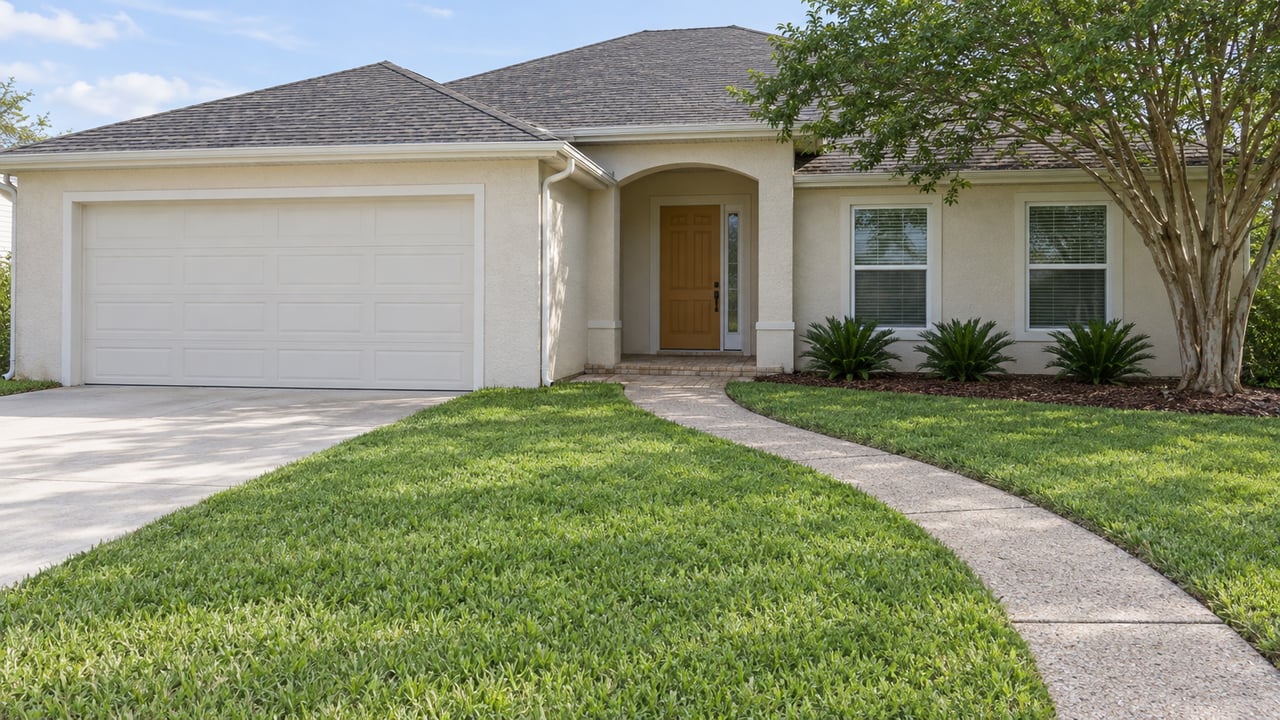
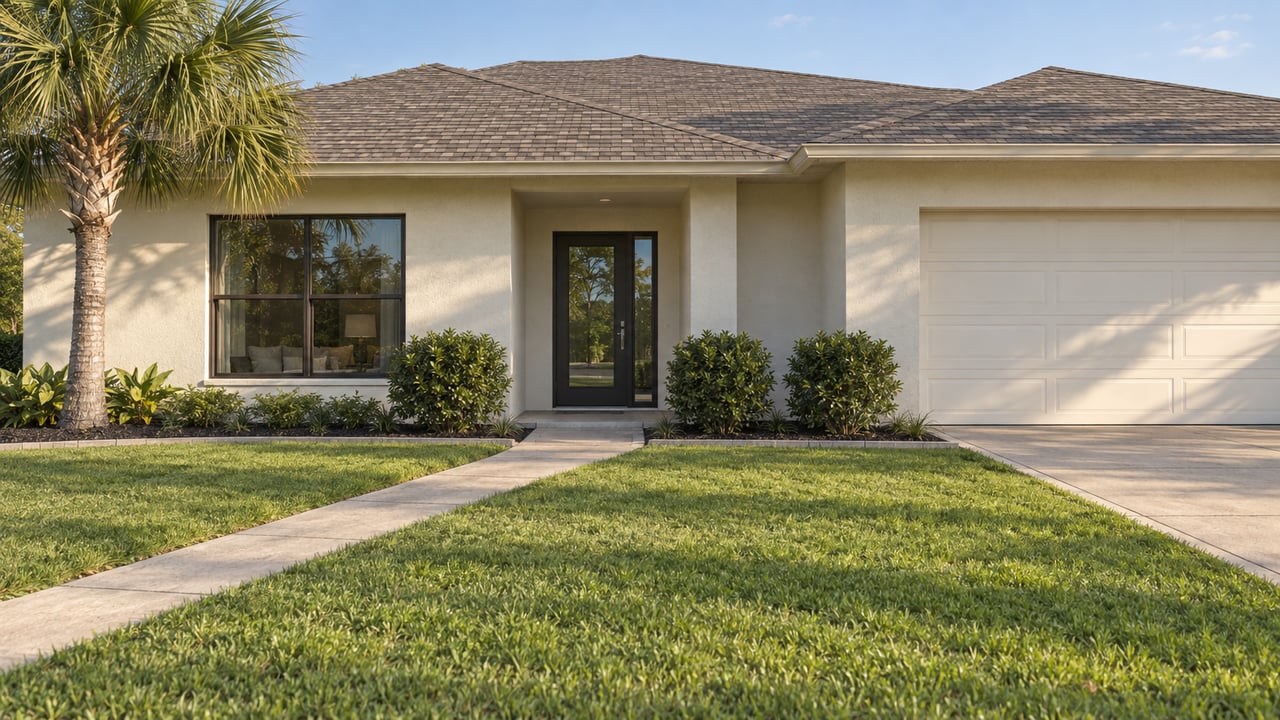
Newer homes generally start from a different baseline. They are more likely to include current-code construction, newer systems, and modern storm-hardening features, which can reduce surprises in the short term.
The pricing difference can reflect that tradeoff. Redfin reports St. Petersburg’s median sale price at $477,714 over the last three months ending May 2026, with homes selling in about 35 days on average. Florida Realtors’ February 2026 market detail shows the Tampa-St. Petersburg-Clearwater MSA median sale price for single-family homes at $404,000.
There are also recent examples of new construction priced above the city’s median, including a 2025 build listed at $549,000. That does not mean every new home is expensive, but it supports the idea that newer construction often comes at a premium for updated systems and reduced immediate maintenance.
If you are serious about buying a historic bungalow in St. Petersburg, think beyond the list price. A helpful way to compare options is to view a bungalow as the purchase price plus likely upgrades, while viewing a newer home as the purchase price plus the premium for convenience, code compliance, and fewer short-term repairs.
That framework can help you make a clearer decision. It also keeps you focused on what the home will really cost to own once inspections, insurance, maintenance, and potential improvements are part of the picture.
Before you move forward on a historic bungalow, keep this checklist handy:
Buying a historic bungalow can be incredibly rewarding when you go in with clear eyes. If you want help comparing St. Petersburg homes, understanding neighborhood-level differences, and building a smart offer strategy, connect with Khristian Marcotrigiano.
Stay up to date on the latest real estate trends.
Get assistance in determining current property value, crafting a competitive offer, writing and negotiating a contract, and much more. Contact me today.