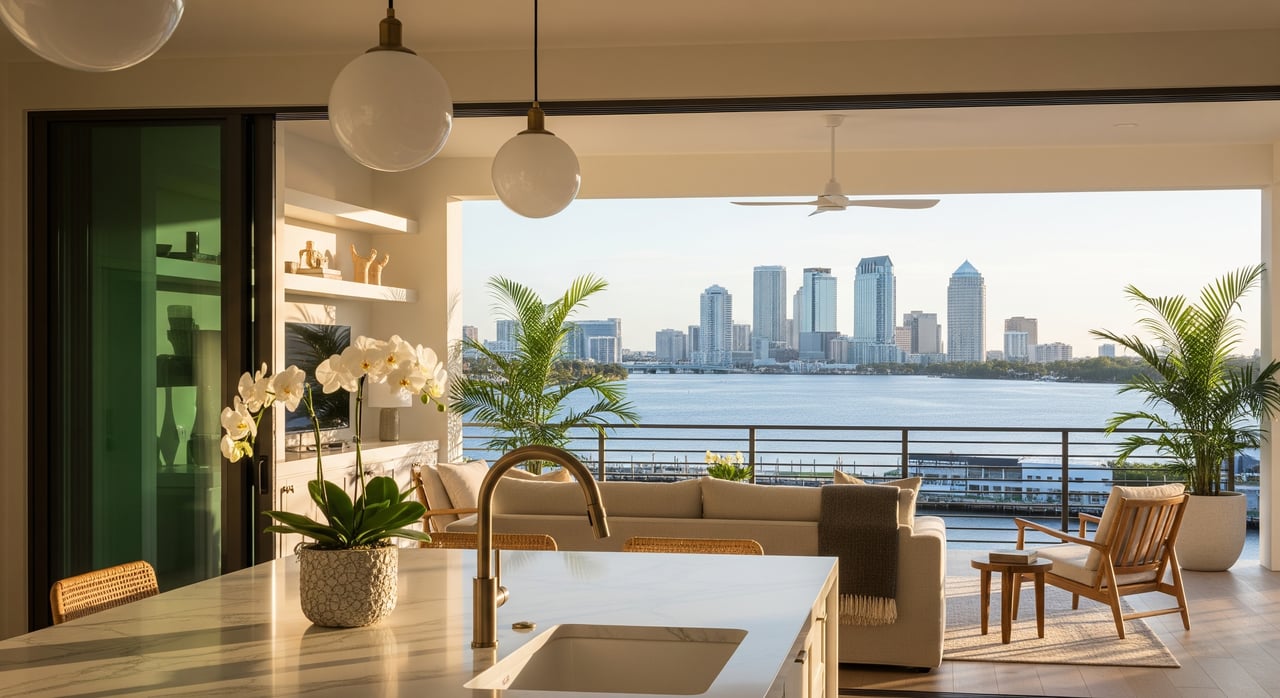
Tampa First-Time Homebuyer Guide to Buying Smart
November 21, 2025
November 21, 2025
Buying your first home in Tampa can feel exciting and overwhelming at the same time. You want a place that fits your budget, lifestyle, and commute, without surprises on inspections or insurance. This guide gives you a clear, step-by-step plan tailored to Hillsborough County so you know what to do, when to do it, and what it may cost. Let’s dive in.
Start by looking at your monthly budget and savings. You will need money for a down payment, closing costs, and emergency reserves. Closing costs typically range from about 2% to 5% of the purchase price, and some lenders may require 1 to 3 months of PITI in reserves after closing.
Gather the documents lenders will ask for:
Check your credit and work to correct errors or high balances. A stronger credit profile helps with loan options and monthly payments.
A pre-approval is stronger than a pre-qualification because the lender verifies your documents. This step usually takes 1 to 14 days. Your pre-approval letter will show your loan type and the maximum loan amount, which helps you focus your search and write stronger offers.
Common loan options for first-time buyers include FHA, VA for eligible veterans, USDA in eligible areas, and conventional programs such as Fannie Mae HomeReady or Freddie Mac Home Possible. Many buyers are evaluated against a back-end debt-to-income ratio around 43% for qualified mortgages, though exceptions can exist. Ask about local down payment assistance from Florida Housing and the housing departments for Hillsborough County and the City of Tampa to see if you qualify.
List your must-haves and nice-to-haves, then plan showings. Visit homes at different times of day and consider commute routes, flood risk, and HOA rules. Keep an eye on inventory and days on market, which can shift with Tampa’s active growth and demand.
Here are a few Tampa areas many first-time buyers explore:
Throughout Tampa, understand that flood risk and storm exposure can affect insurance costs and lender requirements.
Your offer includes price, earnest money, contingencies, and your preferred closing date. Earnest money is typically submitted within a few days of contract execution and is often around 1% to 2% of the price, though it varies by market conditions. Your pre-approval and flexibility on terms can help you stand out.
Contingencies protect you. Common ones include financing, inspection, and appraisal. You can also request seller credits toward closing costs, which can help with affordability when allowed by your loan.
Once under contract, you will have an inspection period, often 7 to 15 days. In Tampa, plan for a general home inspection and a termite or WDO inspection. Depending on the home, consider roof, HVAC, pool, and septic inspections. A wind mitigation report can help with insurance discounts, and older homes may require a four-point inspection for coverage.
Your lender orders the appraisal to confirm value. If the appraisal comes in lower than your contract price, you may renegotiate, contribute extra funds, or cancel based on your contract terms. Start insurance quotes early, especially if the roof is older or the property is in or near a flood zone.
From contract to closing, the timeline is often 30 to 45 days, depending on loan type and file complexity. The underwriter reviews your documents, the appraisal, and the title search. In Florida, a title company or attorney usually handles closing, and owner’s title insurance is recommended to protect against past liens or defects.
You will do a final walk-through 24 to 72 hours before closing to confirm the home’s condition. At closing, you will sign documents, pay your down payment and closing costs, and receive your keys after funds are disbursed.
Florida’s homestead exemption can reduce the taxable value of your primary residence by up to 50,000 dollars, subject to eligibility and local implementation. Hillsborough County millage rates change from year to year, and taxes vary by municipality and property. Taxes are typically prorated at closing. For a clear picture of a specific home, review the property’s current assessment and exemptions with the county property appraiser before you make final decisions.
Many Tampa neighborhoods sit in flood-prone areas or near storm surge zones. Lenders often require flood insurance if the home is in a FEMA Special Flood Hazard Area. Ask for any existing elevation certificate and confirm flood zone status early in your search. Insurance underwriting may require roof age verification or wind mitigation features, which can affect availability and premiums.
Most first-time buyers go from active search to keys in about 2 to 6 months, depending on market conditions, financing, and home availability.
You do not have to figure this out alone. With local insight across Tampa, Seminole Heights, Westchase, South Tampa, and the surrounding communities, you can move from browsing to closing with confidence. If you are ready to create a smart plan, tour homes fast, and negotiate a deal that fits your goals, connect with Khristian Marcotrigiano for step-by-step guidance.
Stay up to date on the latest real estate trends.

Get assistance in determining current property value, crafting a competitive offer, writing and negotiating a contract, and much more. Contact me today.