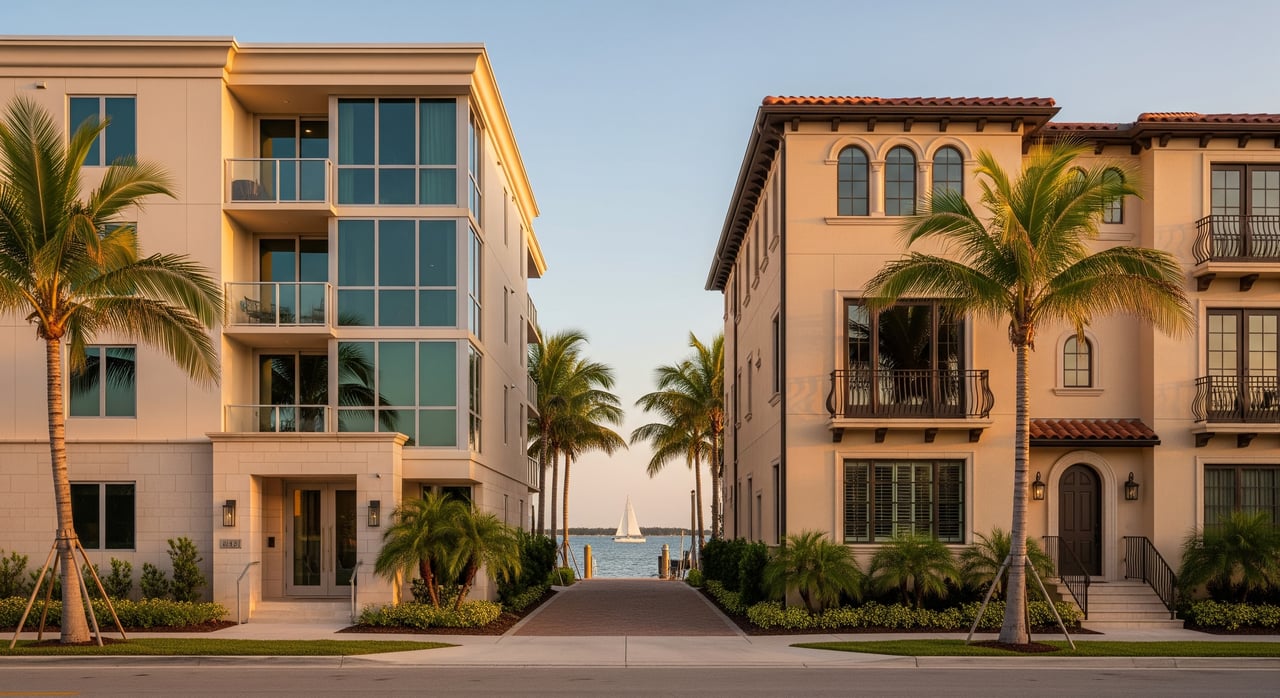
Condo vs Townhome Living in St. Petersburg
December 18, 2025
December 18, 2025
Trying to decide between a condo near Beach Drive or a townhome with a garage and extra storage? You are not alone. Buyers in St. Petersburg often weigh walkability, views and amenities against private outdoor space and maintenance control. In this guide, you will learn how condos and townhomes differ on fees, insurance, flood risk, special assessments, parking, storage and daily lifestyle in Downtown, Kenwood and the Skyway area. Let’s dive in.
If you love museums, the Pier and waterfront parks, Downtown St. Pete offers mid and high-rise condos with amenities and city views. You can stroll to dining and events, and many buildings offer pools and gyms. Expect structured parking and vertical living with elevators and shared hallways.
Kenwood offers a quieter, historic feel just north of downtown with smaller-scale buildings. You will find townhomes and low-rise condos near Central Avenue cafes. Street parking, garages and driveways are more common, and you may trade a few minutes of walkability for neighborhood charm.
South toward the Skyway Marina District and the bayside, you will see lower-density waterfront options. Many buyers prioritize boat access, marina services and outdoor living. Commute time to downtown increases, but townhomes with garages and potential boat slip options become more common.
The form of ownership drives your costs, responsibilities and rules. Florida has distinct laws for condominiums and homeowners associations. Always review the recorded declaration to confirm what you own and which statute applies.
In a condominium, you typically own the interior of your unit as defined in the declaration, while the association owns and maintains common elements. Florida regulates condos under Chapter 718 of the Florida Statutes. A condo board manages the budget, reserves and building policies.
Townhomes in St. Pete can be fee-simple or set up as a condominium. In a fee-simple townhome, you often own the structure and the land beneath it. Many townhome communities operate with an HOA that sets community rules and maintains shared areas under Chapter 720 of the Florida Statutes. In a townhome that is legally a condominium, responsibilities look much more like a condo.
What your monthly dues cover depends on the structure and community.
Reserve funds matter. Associations budget for long-term capital items such as roofs, waterproofing and elevators. If reserves fall short, the association can levy a special assessment following statutory procedures. The state increased attention on reserves and structural conditions after Surfside, so you should review recent reserve studies and inspection results. The Florida Department of Business and Professional Regulation provides helpful background on association responsibilities and regulatory updates for condos at the DBPR’s condominium resources.
Insurance splits are a key difference.
Florida property policies often include separate wind or hurricane deductibles. These can be a percentage of the dwelling limit, which can mean a large out-of-pocket expense after a major storm. For clarity on policy structures and deductibles, review consumer resources from the Florida Office of Insurance Regulation and ask for the association’s master policy declarations.
Flood risk is a separate layer. Much of coastal Pinellas includes FEMA special flood hazard zones, and lenders require flood insurance when a property lies in a mapped flood zone. Check an address on the FEMA Flood Map Service Center and confirm whether the association carries building-level flood insurance. Waterfront buildings and low-lying Skyway areas often face higher flood exposure.
Understanding maintenance lines avoids surprises.
Salt air and hurricane exposure increase exterior maintenance needs in St. Petersburg. Clarify window and door responsibility, impact rating requirements and any past water intrusion repairs during due diligence.
Downtown towers usually assign garage spaces. Some boutique buildings have limited guest parking, and street parking can be metered or subject to residential permit zones. If you expect frequent visitors or own a second vehicle, confirm how many spaces convey and the guest policy.
Kenwood townhomes and smaller communities often include garages or driveways, with some on-street parking. Streets are narrower in places, so verify any local permit rules that could affect overnight parking.
In the Skyway Marina District and along the southern waterfront, you will find options with marina access. If a listing mentions a boat slip, verify whether it is deeded, assigned by a marina association or leased. Also confirm storage for kayaks, paddleboards and bikes. Condos may offer small storage cages, while townhomes often provide garage and attic space.
St. Petersburg allows short-term rentals with registrations and compliance requirements, and local occupancy taxes may apply. That said, association rules often decide whether short-term or even longer-term rentals are allowed. Many downtown condos restrict short stays due to shared entries and noise concerns. Townhome HOAs can be more flexible, but not always. Always read the community’s rental policy and confirm city registration steps before you buy.
Condos can deliver convenience and amenities. You may get a pool, gym and security features, plus walkable access to arts, dining and the waterfront. The tradeoff is less private outdoor space, shared walls and reliance on a board for building decisions.
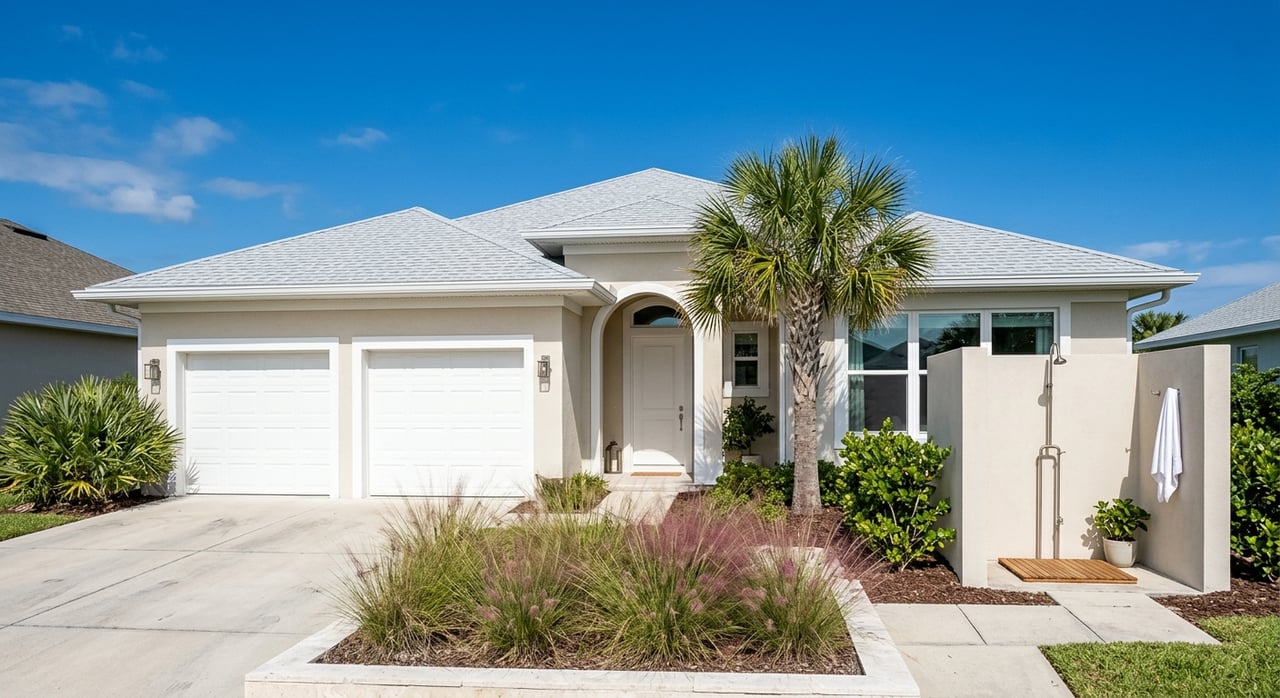
Townhomes feel closer to single-family living. You typically gain a private entry, garage and some outdoor space. You may give up a few amenities and take on more exterior responsibility. If walkability is a priority, compare specific locations. Tools like Walk Score’s St. Petersburg overview can help you measure the tradeoff block by block.
Use this short list to rank your priorities and total cost.
Before you finalize an offer, ask your agent to help you collect and review:
For waterfront properties, also verify the FEMA flood zone, elevation certificates, any past flood claims and the status of windows and doors for storm protection. Use the Pinellas County Property Appraiser to confirm parcel data, taxes and legal descriptions.
Buying in St. Petersburg is about aligning costs with how you want to live. A downtown condo can deliver views and a walkable routine, while a Kenwood or Skyway townhome can add space, storage and private entries. The right choice is the one that balances your lifestyle with clear, predictable ownership costs.
Ready to compare live options and run the numbers side by side? Reach out to schedule a friendly strategy call with Khristian Marcotrigiano and get expert guidance tailored to your St. Pete goals.
Stay up to date on the latest real estate trends.
Get assistance in determining current property value, crafting a competitive offer, writing and negotiating a contract, and much more. Contact me today.