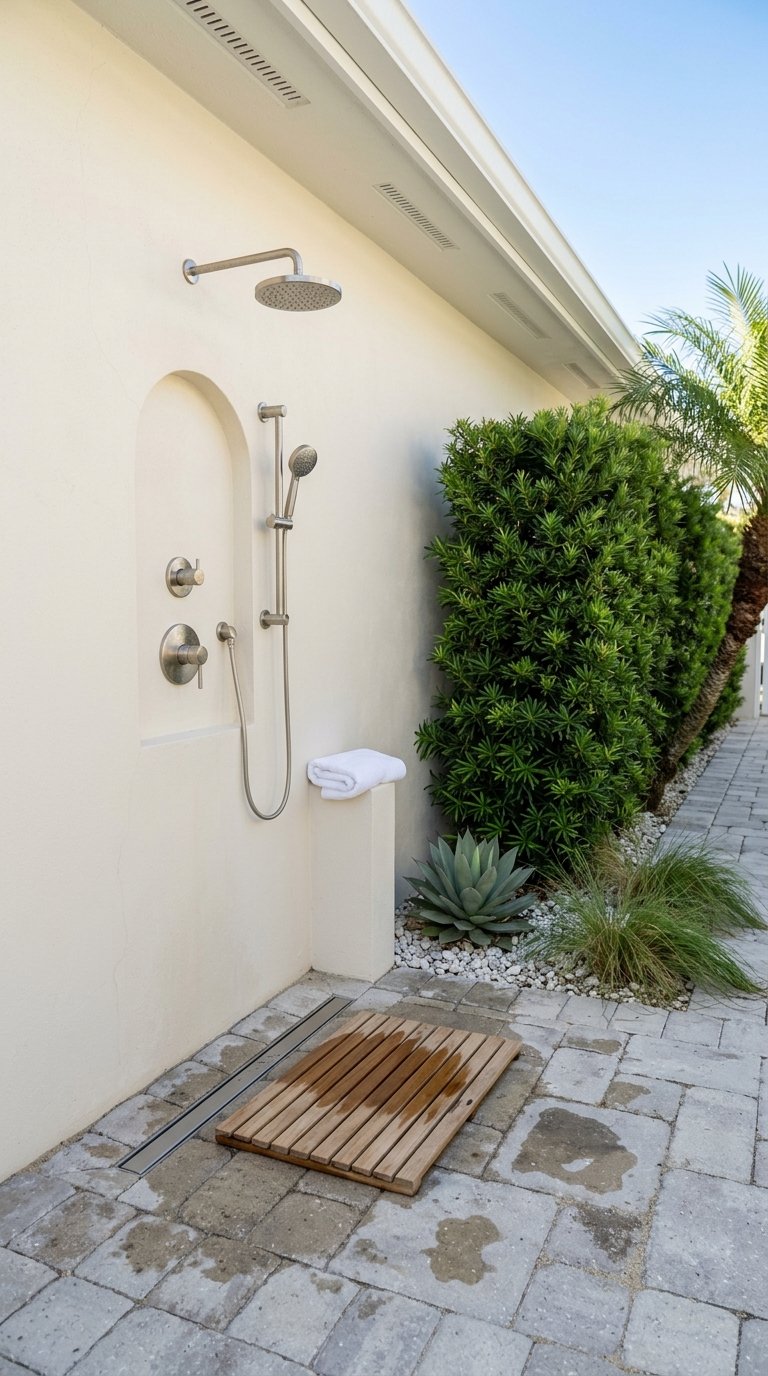
Living in Jacksonville Beach FL: Day-to-Day Life
April 2, 2026
April 2, 2026
Wondering if Jacksonville Beach is more of a vacation spot or a place you can truly call home? For many buyers, that is the big question before making a move to the coast. If you are considering life in this part of Northeast Florida, it helps to know what daily routines, housing, getting around, and seasonal changes really look like. Let’s dive in.
Jacksonville Beach feels like a real coastal city, not just a weekend destination. According to the U.S. Census QuickFacts for Jacksonville Beach, the city has an estimated population of 23,630 and covers 7.32 square miles of land.
That smaller footprint shapes the experience of living here. You get a compact beach community with a resident base, local services, and a defined downtown area instead of a place built only for tourism.
The same Census data shows 11,042 households, an average household size of 2.12 people, and a 68.8% owner-occupied housing rate. Residents age 65 and older make up 21.8% of the population, while 17.8% are under 18, which points to a mix of households that includes retirees, families, and year-round residents.
If you are thinking about buying in Jacksonville Beach, pricing is one of the first things to understand. The Census QuickFacts data lists the median owner-occupied home value at $575,800 and the median gross rent at $1,848.
That means Jacksonville Beach is not the lowest-cost coastal option. In return, many buyers are looking for direct access to the beach lifestyle, a compact city layout, and a community where amenities are part of everyday life.
Commute times can also factor into your budget and routine. The same Census source reports a mean travel time to work of 23.7 minutes, which gives you a basic sense of what day-to-day movement may look like.
Living in Jacksonville Beach means the shoreline is not just scenery. The city manages about 4.1 miles of municipal beach, and the Jacksonville Beach Ocean Rescue Division reports that it protects the coastline and Intracoastal Waterway with more than 50 trained lifeguards, lifeguard/EMTs, and command officers.
That year-round beach presence helps support the daily rhythm of the city. Whether you like early morning walks, time on the sand, or water activities, the beach is part of normal life here rather than a once-in-a-while outing.
Jacksonville Beach has an active surf culture, but local rules are important. The city’s beach rules page says surfers are welcome, but boards must be tethered to one leg while in the water.
The same rules also state that swimming, bathing, wading, and surfing are prohibited within 300 feet of the fishing pier. If you plan to spend a lot of time on the beach, knowing these rules ahead of time will make day-to-day living easier.
Beach access is supposed to happen through dune crossovers, not directly over the dunes. The city explains that dunes and sea oats are protected because they help reduce erosion and flooding during coastal storms, according to the same official beach rules.
This is one of those practical details that tells you a lot about life here. Coastal living brings natural beauty, but it also comes with shared responsibility for the shoreline.
If you have a dog, Jacksonville Beach has clear seasonal rules to know. Per the city’s beach regulations, dogs are allowed on the beach at any time from October 1 through March 31.
From April 1 through September 30, dogs are allowed only before 9 a.m. or after 5 p.m. For pet owners, that can shape your walking routine depending on the season.
One of the biggest lifestyle advantages here is that Jacksonville Beach has a real downtown district. The city’s Downtown Redevelopment District runs from 13th Avenue South to 9th Avenue North and from Third Street to the ocean.
The city identifies safety, family-friendliness, walkability, a small-community feel, beach access, entertainment, gathering places, and mixed uses as core values for the district. That gives you a better sense of how the city sees its own downtown: active, connected, and designed for day-to-day use.
The downtown area includes SeaWalk Pavilion, Latham Plaza, a parking facility, two restaurants, a drugstore, and a hotel, according to the city’s redevelopment page. Those features help create a central area where errands, dining, and events can happen close together.
For buyers who want to be near action without giving up a neighborhood feel, that balance can be appealing. You are not looking at a large urban core, but you are also not relying on beachside convenience stores alone.
The city is also working to make local movement easier beyond the beachfront core. The Jacksonville Beach Urban Trails Project is intended to connect neighborhoods to a shared-use path network for walking, running, biking, and skating to the beach, parks, schools, shops, jobs, and other destinations.
That matters because it turns mobility into part of the lifestyle. In Jacksonville Beach, getting around can feel more connected to the outdoors than in many larger suburban areas.
Even in a more walkable coastal city, parking still matters. The city says there are more than 1,000 parking spaces in the Central Business District, according to its downtown parking page.
The same page notes that the Beachside Buggies app offers free rides and recommendations for restaurants and live music. That gives residents and visitors another option for getting around the downtown area.
Jacksonville Beach has a community-oriented dining and gathering scene. In an official city announcement, the Jax Beach Farmers Market at SeaWalk Pavilion launched with plans for about 50 to 60 vendors, plus food trucks and prepared foods.
The market runs every Tuesday, with winter hours from 3 to 6 p.m. and summer hours from 3 to 7 p.m. Details like that can help you picture normal weekly life, especially if you want a place where local events are woven into the schedule.
The same city announcement notes that Jacksonville Beach issues permits allowing dogs in outdoor dining areas. That adds to the patio-friendly atmosphere many buyers are looking for in a beach community.
If you are moving with school-aged children, one of the most important details is that school assignment is address-specific. Duval County Public Schools states that every residential address has an attendance zone and feeder pattern, and the district also describes itself as a school choice district.
That means you should check the exact property address instead of assuming school assignment based on the neighborhood name alone. This is especially important in the Beaches area, where municipal lines and school patterns can be easy to misunderstand.
The official district pages list Jacksonville Beach Elementary at 315 South 10th Street as a dedicated magnet school for gifted and academically talented students. The research also identifies Seabreeze Elementary at 1400 Seabreeze Avenue, Fletcher Middle at 2000 North 3rd Street in Jacksonville Beach, and Fletcher High at 700 Seagate Avenue in Neptune Beach.
For buyers, the key takeaway is simple: verify school details early in your search. It can save time and help you focus on homes that fit your practical needs.
The climate is a big part of what draws people to Jacksonville Beach, but it helps to know the seasonal pattern. According to NOAA monthly normals for Jacksonville, January averages a daily high of 65.5 degrees, while July averages a daily high of 91.9 degrees.
Annual precipitation is about 53.4 inches, with the wettest months running from June through September. NOAA data also shows essentially no snowfall, which will be a plus for many buyers coming from colder climates.
Like other coastal Florida communities, Jacksonville Beach follows the Atlantic hurricane calendar. The National Hurricane Center states that the official Atlantic hurricane season runs from June 1 through November 30, with peak activity typically in August through October.
That does not mean daily disruption, but it does mean storm awareness is part of owning or renting near the coast. Seasonal routines, preparedness, and respecting local beach and dune rules are all part of living well in this environment.
Jacksonville Beach offers a blend of beach access, downtown convenience, and year-round residential life. It feels active and coastal, but also practical, with school zoning, parking, weather patterns, and local regulations shaping the day-to-day experience.
If you are looking for a place where the beach is part of your routine and not just a backdrop, Jacksonville Beach has a lot to offer. And if you want guidance as you compare Florida lifestyle markets, Khristian Marcotrigiano can help you navigate your options with clear advice and responsive support.
Stay up to date on the latest real estate trends.
Get assistance in determining current property value, crafting a competitive offer, writing and negotiating a contract, and much more. Contact me today.