Dreaming of a Clearwater address but not sure which neighborhood fits your lifestyle or commute? You’re not alone. Many buyers come for the beaches and sunshine, then realize daily routes, flood risk, and HOA rules shape the real day-to-day. In this guide, you’ll learn how Clearwater’s key areas compare, what cross-bay commutes really look like, how to approach schools, and which costs to plan for. Let’s dive in.
Clearwater at a glance
Clearwater is home to about 117,000 residents, and a sizable share are 65+. You’ll find a beach-first lifestyle, an active downtown waterfront, and easy access to Tampa and St. Petersburg. According to the U.S. Census, Clearwater’s 2020 population was roughly 117,000, with estimates near 116,800 in 2024. You can review the latest city profile on the Census QuickFacts page for Clearwater.
Citywide prices vary by neighborhood and property type. Redfin reported a median sale price around $382,000 in Feb 2026. Listing platforms report different medians, so always verify with current MLS comps. For rentals, FY2026 Fair Market Rents for the Tampa–St. Petersburg–Clearwater MSA show wide variation by ZIP and bedroom count, with many advertised 1-bed units in the low-to-mid $1,000s. You can scan the FY2026 FMR documentation for baseline context.
Commute-wise, Pinellas County’s mean travel time sits around 25 minutes, but cross-bay trips during peak hours often run longer. If you expect to drive to Tampa or St. Pete daily, your choice of bridge will matter more than almost anything else.
How to choose your area
The main trade-off is simple: barrier-island beach living vs inland suburban value and access. From there, sort by three filters:
- Your daily route and bridge. If you will commute to Tampa, prioritize quick access to Courtney Campbell Causeway or I‑275. If your day centers on Clearwater Beach, living on or near the island may be worth it.
- Space and lifestyle needs. Condos dominate on the beach, while inland offers more single-family homes and yards.
- Budget and holding costs. Factor HOA dues, insurance (including wind and flood), and potential assessments, especially in coastal condos.
Neighborhood snapshots
Clearwater Beach, Sand Key, and Island Estates
If you want daily beach access and walkable amenities, this is your core search area. Clearwater Beach is largely a condo market anchored by Pier 60 and a lively waterfront. Sand Key tends to skew higher priced with direct Gulf frontage and resort-style towers. Island Estates offers a quieter, residential feel with many single-family waterfront homes and limited access via the Memorial Causeway.
- Typical pricing: Local listing aggregates show many beachfront condos in the mid-to-high six figures, with luxury units above $1M when views and amenities align. Median island condo prices often range from the mid-$400s to $900k+ depending on building, size, and view. Expect HOA dues and rental rules; confirm each building’s policies before touring.
- Best for: Buyers who value beach living, views, and a vacation feel over commute convenience.
Downtown Clearwater and Old Clearwater
Downtown blends mid-rise condos, townhomes, and some older bungalows with waterfront parks and event programming. You’ll be a quick drive to the beach via the Memorial Causeway and close to food, entertainment, and marina access. It’s a good fit if you want urban services without paying beach-island premiums.
- Housing and value: Prices are generally below the beach but above many inland suburbs. You get proximity to waterfront events and a growing amenity base.
- Best for: Professionals who want quick access to the beach and city events without living on the island.
Countryside and East of US‑19
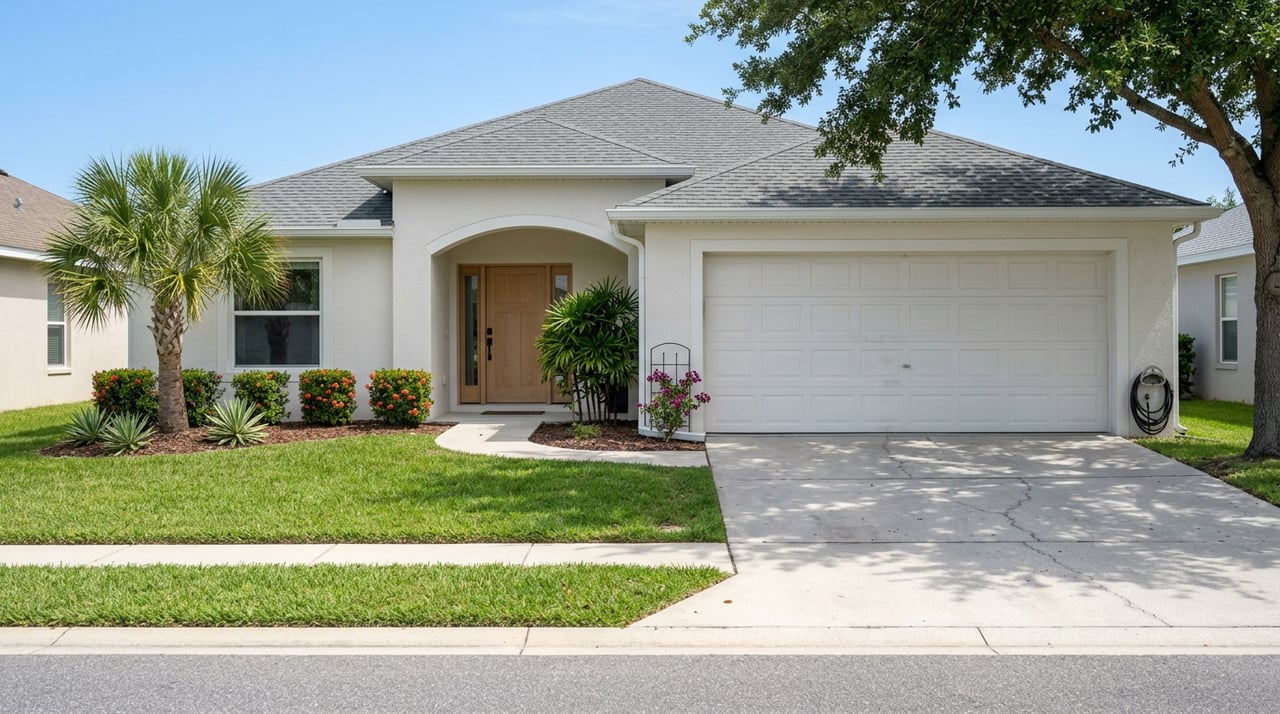
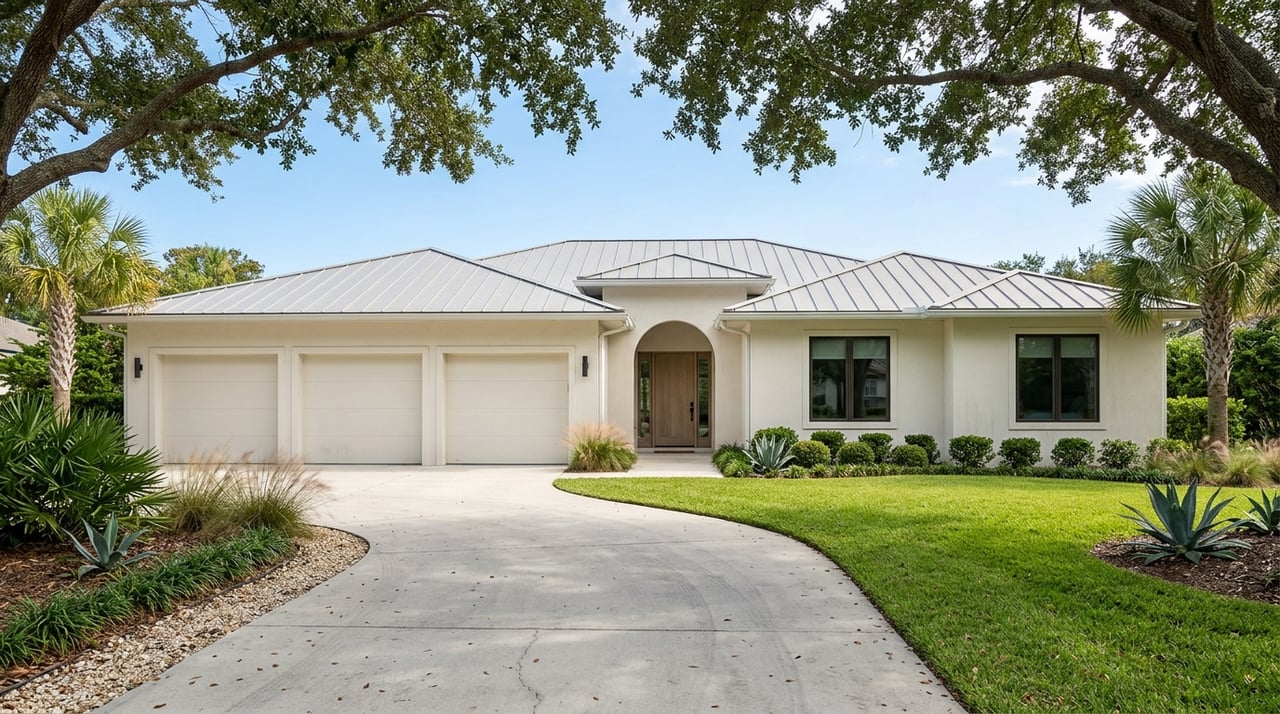
North and east Clearwater neighborhoods deliver the most space for the price, plus easier access to Tampa corridors. You’ll see single-family ranch and split plans, cul-de-sacs, and established subdivisions. Many buyers choose this area to balance yard space, value, and a workable Tampa commute via SR‑60 or I‑275.
- Housing and value: Lower price per square foot compared to the beach, with a larger supply of single-family homes and garages.
- Best for: Commuters to Tampa or Carillon/Westshore; buyers who prioritize space, garages, and neighborhood parks.
Nearby towns to consider
Many Clearwater searches include close-by cities with distinct character:
- Safety Harbor: A small downtown, historical feel, and bayfront parks.
- Dunedin: A walkable downtown with a coastal vibe and active event calendar.
- Belleair / Belleair Bluffs: Primarily residential pockets near the Intracoastal, including higher-end enclaves.
These towns offer different downtown atmospheres and housing mixes while keeping you near Clearwater’s beaches and services.
Commutes you can count on
Clearwater is commutable to both Tampa and St. Petersburg, but the bridge you use dictates your day. Plan around these corridors:
- Courtney Campbell Causeway (SR‑60): Direct west–east route between Clearwater and Tampa. Popular for commuters bound for Westshore and Tampa International Airport.
- Howard Frankland Bridge (I‑275): The main high-capacity link between Pinellas and Tampa. FDOT opened new lanes in 2024–2025, with overall project completion expected summer 2026. This increases capacity and reliability, though incidents can still impact drive time. Track project updates on the FDOT Howard Frankland page.
- Gandy Bridge (US‑92): A south-bay alternative, useful depending on your origin and destination.
Typical distances and timing: Downtown Clearwater to downtown Tampa runs roughly 22 to 25 miles depending on route. Off-peak, many drivers see 30 to 45 minutes. In rush hour or if an incident occurs, plan for 45 to 75+ minutes. Trips to downtown St. Petersburg are shorter in distance and often 15 to 35 minutes, depending on where you start.
Transit: The Pinellas Suncoast Transit Authority (PSTA) operates local routes, seasonal trolleys, the SunRunner BRT in St. Pete, and regional express options that connect to Tampa. Express services work if you live near a stop and can match schedules, but most commuters still drive. Check route concepts and service info on this PSTA overview.
Pro tip: Do at least two real-time tests before touring homes. Drive your morning route into Tampa at your expected departure time, then drive home during the evening peak. Save the Waze or Google Maps trip histories for reference.
Schools and enrollment basics
Clearwater is served by Pinellas County Schools, a large district with magnet, fundamental, charter, and private options. School assignments and program availability vary by address and by year.
- Verify your zoned school for any property you like using the district’s tools.
- Review application windows and calendars if you’re considering magnet or fundamental programs.
- Expect private and charter options in the area; the district’s charter schools list is a helpful starting point.
Keep your approach neutral and fact-based. Call schools directly, review recent report cards and improvement plans, and, if possible, visit during open houses.
Costs, risks, and homeowner realities
Coastal living brings unique considerations. Plan these into your budget and due diligence.
- Flood and storm risk: Check both the FEMA Flood Insurance Rate Map (FIRM) and local evacuation zones. FEMA maps influence insurance requirements, while county layers help with hurricane planning. Start with the FEMA Map Service Center and the Pinellas Flood Map Service.
- Insurance: Florida homeowners, wind, and flood premiums can be higher for barrier-island and low-elevation homes. Ask for seller policy details, wind-mitigation credits, and roof age, and get quotes early.
- Taxes and HOAs: Beach condos often have higher monthly dues to cover building insurance, reserves, and amenities. Review rental rules, pet policies, and any special assessments. For rental benchmarking, use FY2026 FMRs as a baseline and confirm local occupancy rules and HOA restrictions.
A 5-step shortlist for your first tour
Use this simple framework to narrow where to look first:
- Set your top three priorities: daily commute, program-driven school needs, and beach proximity or walkability.
- Pick your commuting corridor. Test a morning and evening drive on Courtney Campbell or I‑275 to confirm real travel times. Monitor FDOT’s Howard Frankland updates for timing and lane changes.
- If schools matter, run each promising address through the district’s tools, review program calendars, and call schools to verify policies and openings.
- For beach or waterfront homes, check FEMA FIRM and local evacuation zones, then obtain sample homeowners, wind, and flood quotes before writing an offer.
- Request HOA documents early. Confirm rental rules, reserve studies, and any assessments. For condos, ask for three years of financials.
Sample pairings: lifestyle and commute
- Daily Tampa commuter: Look at north and east Clearwater corridors near SR‑60 or I‑275 ramps. Countryside and areas east of US‑19 offer faster access to bridges and more single-family options.
- Hybrid schedule or occasional Tampa trips: Downtown Clearwater or Old Clearwater offer urban amenities and quick access to the beach without living on the island.
- Beach-first lifestyle: Clearwater Beach, Sand Key, and Island Estates maximize waterfront living and views. Plan for HOA dues and seasonal traffic, and weigh insurance carefully.
Ready to explore Clearwater?
If you want a clear, stress-tested plan for neighborhoods, routes, and showings, you’re in the right place. I guide relocating buyers through video previews, commute testing, and smart due diligence so you can buy with confidence. Let’s map your first tour and get you matched to the right area. Connect with Khristian Marcotrigiano to get started.
FAQs
Is a daily commute from Clearwater to Tampa realistic?
- Yes. Many residents do it daily. Off-peak can be 30 to 45 minutes, but plan for 45 to 75+ minutes during rush hour or if a bridge incident occurs. The Pinellas mean commute is about 25 minutes overall, but cross-bay trips often exceed that.
Which Clearwater areas are best for a Tampa commute?
- Focus on north and east Clearwater near SR‑60 or I‑275, including Countryside and corridors east of US‑19. These locations shorten access to Courtney Campbell Causeway and the Howard Frankland.
How do schools work if I relocate to Clearwater?
- Pinellas County Schools assigns zones by address and also offers magnet, fundamental, and charter options. Verify the zoned school for each property and review district calendars and the charter schools list for additional choices.
What should I know about flood risk and insurance near the beach?
- Check FEMA FIRM zones and county evacuation layers first. Coastal homes can face higher homeowners, wind, and flood premiums. Use the FEMA Map Service Center and Pinellas Flood Map Service for due diligence, and obtain insurance quotes before you make an offer.
Are Clearwater beach properties good investments?
- Beachfront has lifestyle value and constrained supply, but costs run higher and risks include storms and possible special assessments. Balance purchase price, HOA dues, and insurance with your hold period and rental rules before deciding.